
Understanding the struggle before solving it.
The Healthcare Gap India's Children Face
- 250+ million school-going children in India
- 65% of the population lives in rural areas
- 35% of children under five are stunted (NFHS-5)
- 26% of children under five are wasted (NFHS-5)
- 59%+ children under five suffer from anaemia in some states
- Millions of children still lack timely access to emergency and preventive healthcare
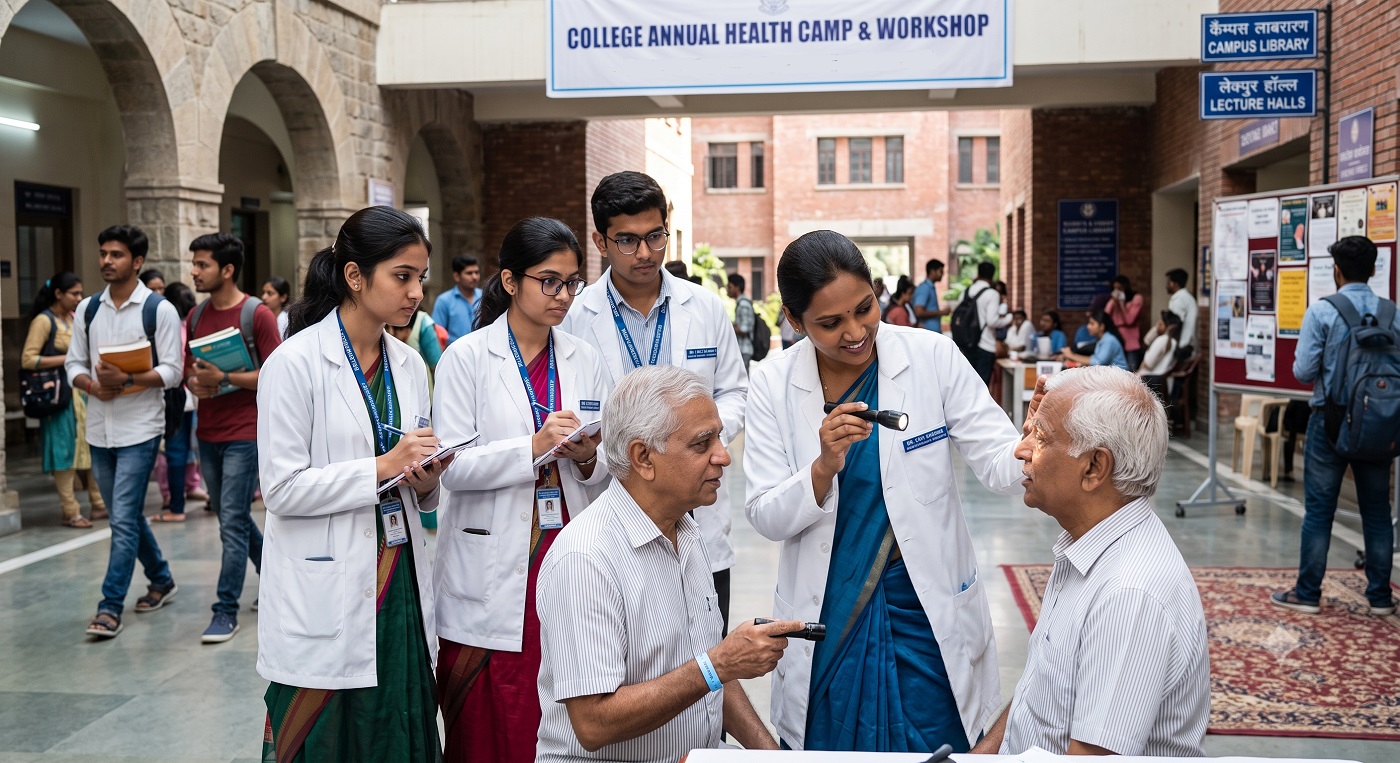
The Core Problems
- Limited Healthcare Access in Rural Areas Nearly 65% of India's population lives in rural regions where healthcare infrastructure is inadequate. Many villages are 20–50 km away from advanced medical facilities.
- Malnutrition National data shows significant stunting, wasting, and underweight rates among children — directly affecting physical growth, immunity, and cognitive development.
- The Anaemia Crisis A large share of children suffer from anaemia due to poor nutrition and micronutrient deficiencies.
- Delayed Emergency Care The "golden hour" is frequently missed in remote and underserved regions during accidents, high fever, respiratory distress, and seizures.
- Late Health Screening Health problems are too often detected only after they become severe, when early screening could have prevented complications.
- No Digital Medical Records Millions of children have no centralized health record. Medical history, vaccination status, and allergy information are unavailable exactly when they're needed most — in an emergency.
- Poor Healthcare Infrastructure A significant share of rural Primary Health Centres face infrastructure deficiencies.
- Financial Burden on Families Consultation costs, medicines, travel, and diagnostics are paid largely out-of-pocket, forcing many low-income families to delay treatment.
- Challenges Around Women's & Girls' Health Declining exclusive breastfeeding rates and continued stigma around menstruation among young girls remain unaddressed in many communities.
- Shortage of Healthcare Professionals A persistent shortage of pediatricians, trained nurses, paramedics, and diagnostic facilities.
The Triple Burden of Disease
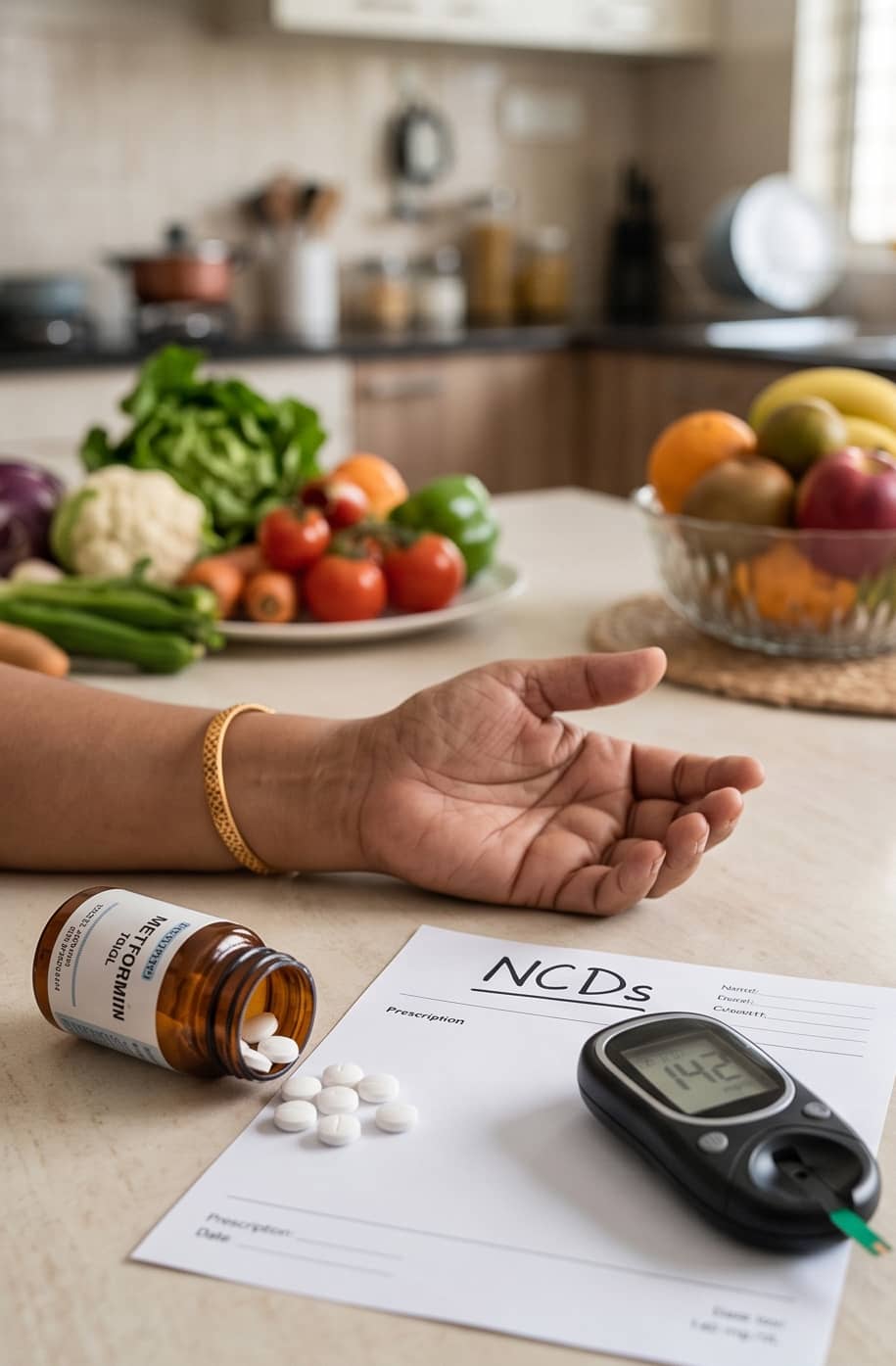
Non-Communicable Diseases (NCDs
Diabetes, cardiovascular disease, and respiratory illness account for over 60% of deaths.
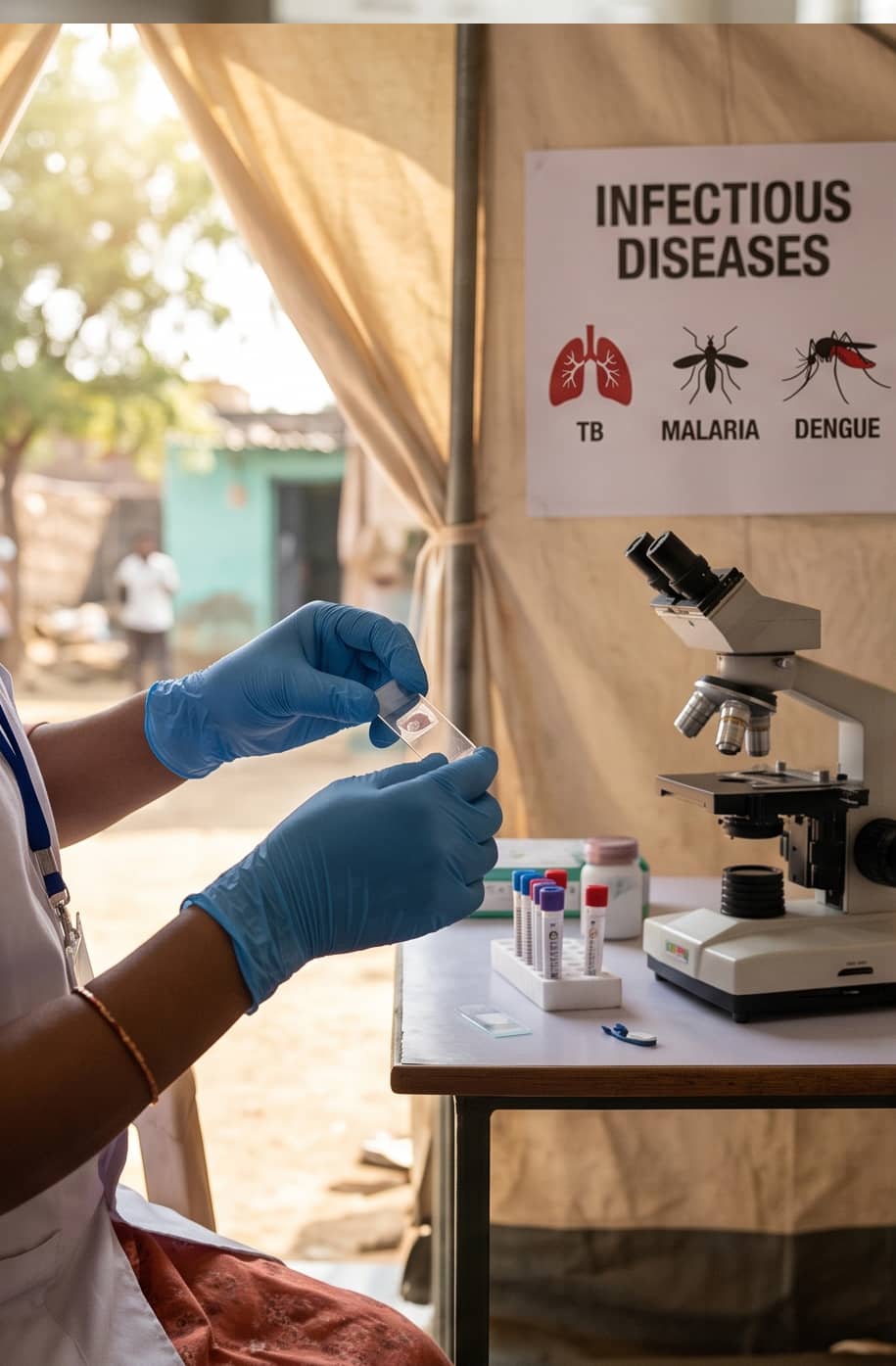
Infectious Diseases
India continues to battle tuberculosis, malaria, and dengue.
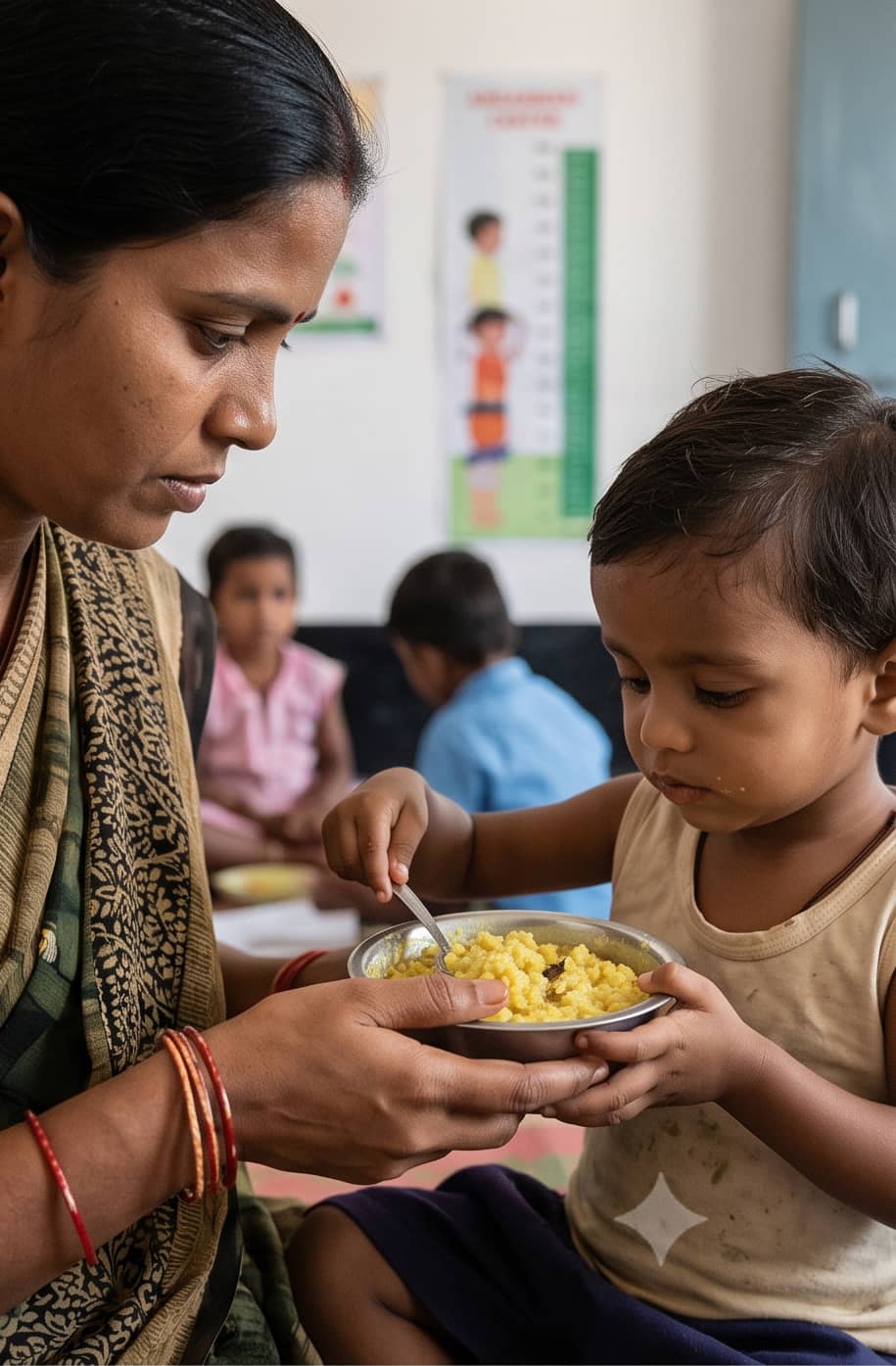
Malnutrition
Child and maternal undernutrition remains a critical factor in under-five mortality.
Additional persistent challenges include poor sanitation-driven school absenteeism, and millions of girls facing menstrual hygiene challenges without support.
Why This Matters Now
Affordability remains out of reach for middle- and lower-income families. Transportation is insufficient to connect outskirts and villages to care. Medical facilities are scarce and far away. Personal hygiene awareness remains low. And without a digital record, a child’s medical history disappears the moment they move or an emergency strikes.